
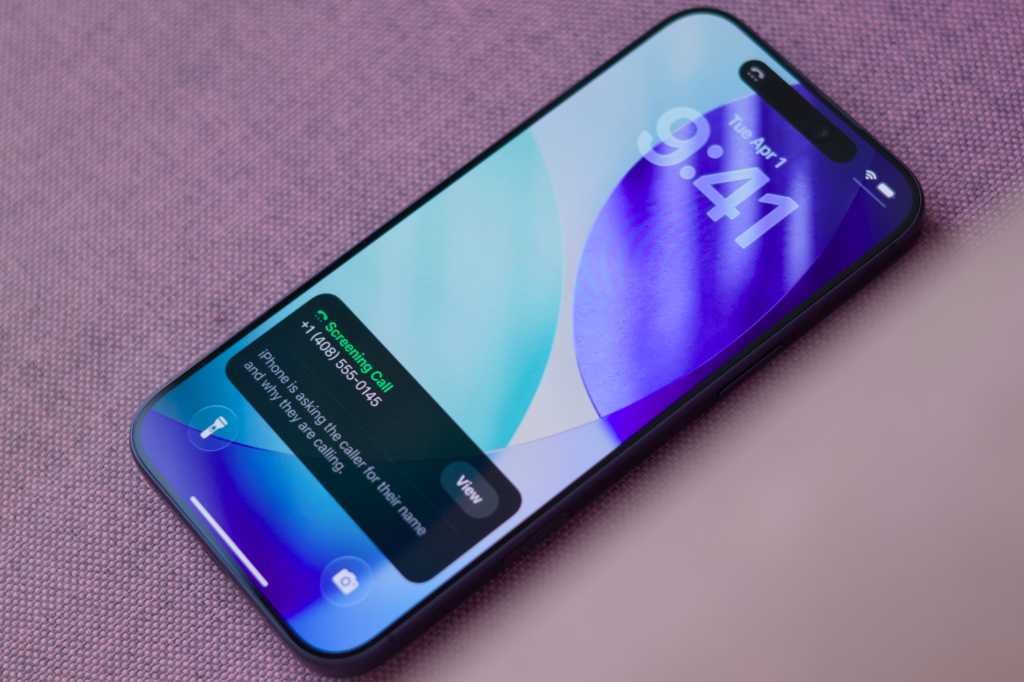
Summary created by Smart Answers AI
In summary:
- Macworld outlines 10 strategies to combat iPhone spam, including unwanted calls, texts and app notifications that disrupt your daily use of the device.
- Key solutions include using the Screen Unknown Callers feature in iOS, Apple Focus modes for customized notification controls, and blocking specific numbers directly from call logs.
- These built-in iPhone tools help users regain control of digital disruption and create a more focused mobile experience.
The iPhone has become an all-in-one device for communication, entertainment, productivity and more. Naturally, as we install more apps, the number of unwanted notifications keeps increasing. Spam is no longer limited to casual emails, texts and calls; many apps now use push notifications to display ads, irrelevant recommendations, and other intrusive notifications. Fortunately, iOS includes a comprehensive set of tools to help you cut down on all kinds of spam and focus on what really matters.
1. Good old blocking
Blocking remains one of the easiest and most direct ways to shut down a consistent noise source. If the same phone number keeps texting or calling you, you can easily go to the info tab in Messages or the call log of the Phone app and hit the Block button. All relevant third-party communication applications also offer blocking functionality.
Similarly, if an app you installed was abusing the push notification system, you can modify or revoke permissions. In the Notifications section of the Settings app, you can decide how the app notifies you, if at all. For example, you can turn off the Sounds toggle and receive silent notifications, or uncheck Lock Screen to stop displaying banners when your iPhone is idle.
Before revoking an app’s notification permissions, it’s wise to check the settings in the app itself. Many apps allow you to opt out of certain categories of notifications. This allows you to keep getting updates on the things you care about and nothing else.
2. Limit mirroring
The Apple ecosystem allows iPhone users to mirror calls to nearby iPads, Macs, Apple TVs and Apple Watches. Not to mention that in addition to calls, macOS and watchOS support mirroring notifications from third-party apps, and AirPods can pause music to announce incoming notifications. These integrations are welcome, but using our everyday devices can be overwhelming. Fortunately, you can choose which notifications are mirrored to other devices without blocking them entirely in iOS.
In the Settings app, under Notifications, you can turn off (for individual or all apps) Announce Notifications, which reads notifications when your AirPods are connected. Similarly, you can go into each app’s notification settings and disable the Show on Mac toggle to stop macOS notifications from being mirrored. The Watch app offers a comparable section for managing iOS notifications sent to watchOS.
If you want to prevent all your devices from ringing every time someone calls you, you can go to the settings of the Phone app and turn off Calls on other devices.
3. AI Notification Processing
If you’re using a newer iPhone, the device’s artificial intelligence can analyze the content of your notifications and highlight the ones it deems important. Apple Intelligence can also summarize long or multiple texts to make their content easier to grasp. To set these features, go to the Prioritize Notifications and Summarize Notifications pages in the Notifications section of the Settings app.
Foundry
4. Planned summaries
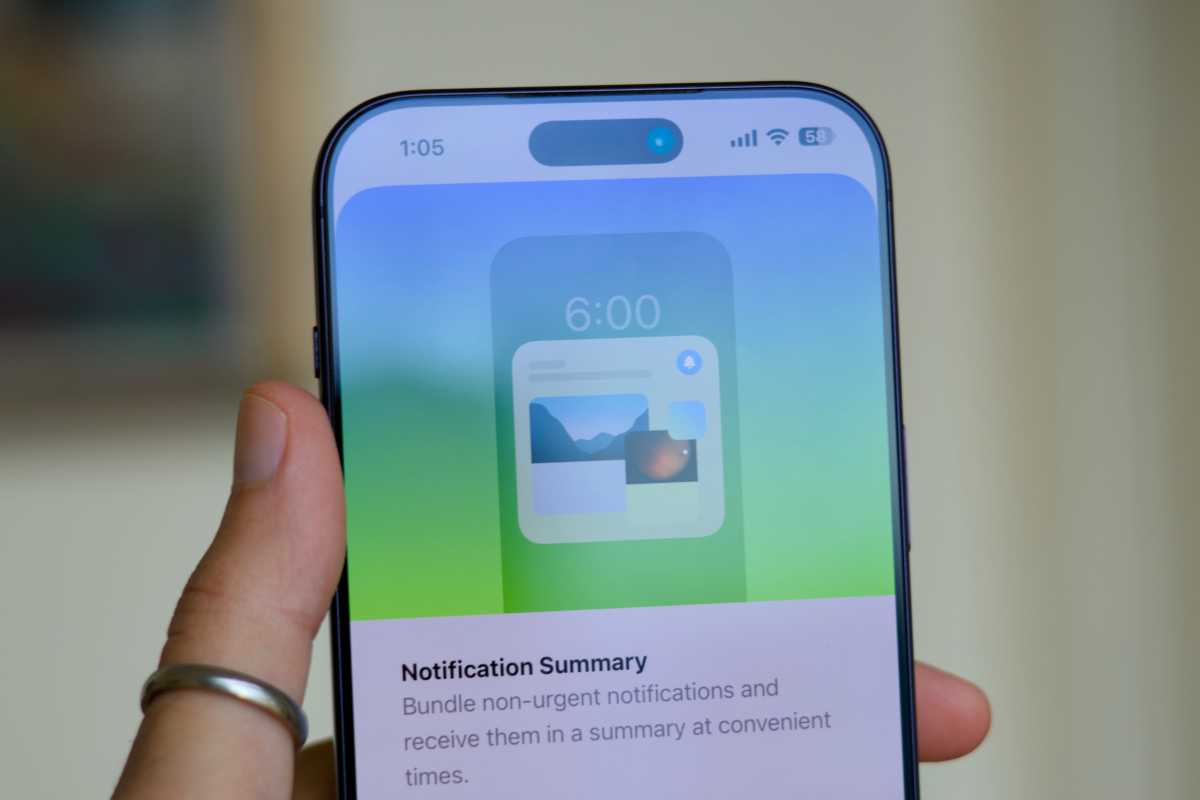
Scheduled Summary is another alert management tool that helps you avoid unnecessary distractions. If enabled on the notification settings page, this feature groups important notifications throughout the day and delivers them together at a time of your choosing. iOS will continue to notify you of time-dependent updates, such as calls and urgent notifications.
Foundry
5. Fashion focus
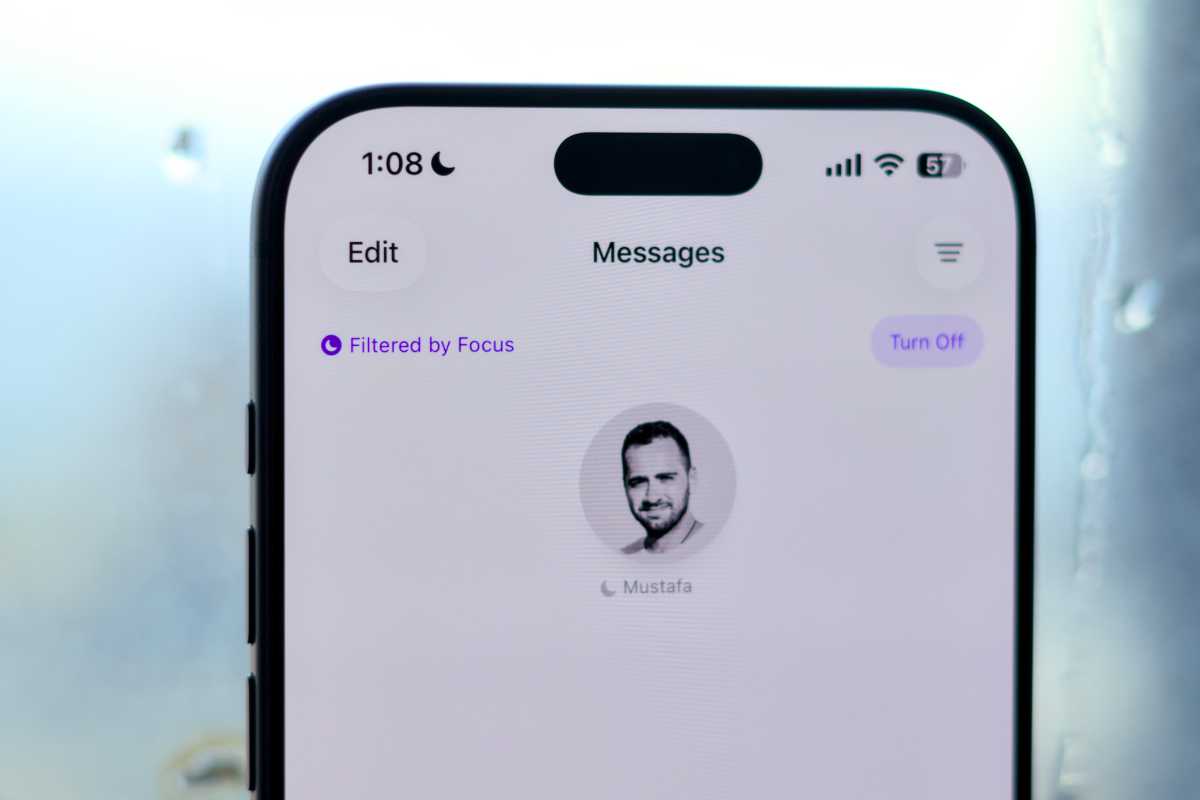
Focus is Apple’s advanced Do Not Disturb system that lets you choose which apps and contacts can alert you on your devices. You can create multiple focus modes with different rules to match your different activities. For example, a Focus mode dedicated to work would allow notifications from your boss and collaboration apps. You can also set in-app filters to hide content accordingly, such as hiding non-working inboxes in Mail. To set it up, go to Focus in the Settings app.
Foundry
6. Messaging Controls
While blocking is effective for notifications originating from the same source, users often receive spam with random numbers. Fortunately, the Messages app accommodates this and lets you mute all texts (or those that aren’t time-sensitive) from unknown numbers. He could also put them in a separate clipboard to keep the main view clutter-free. Go to your message settings, enable the Filter Spam and Show Unknown Senders toggles, then customize how you want the feature to behave.
7. Call management
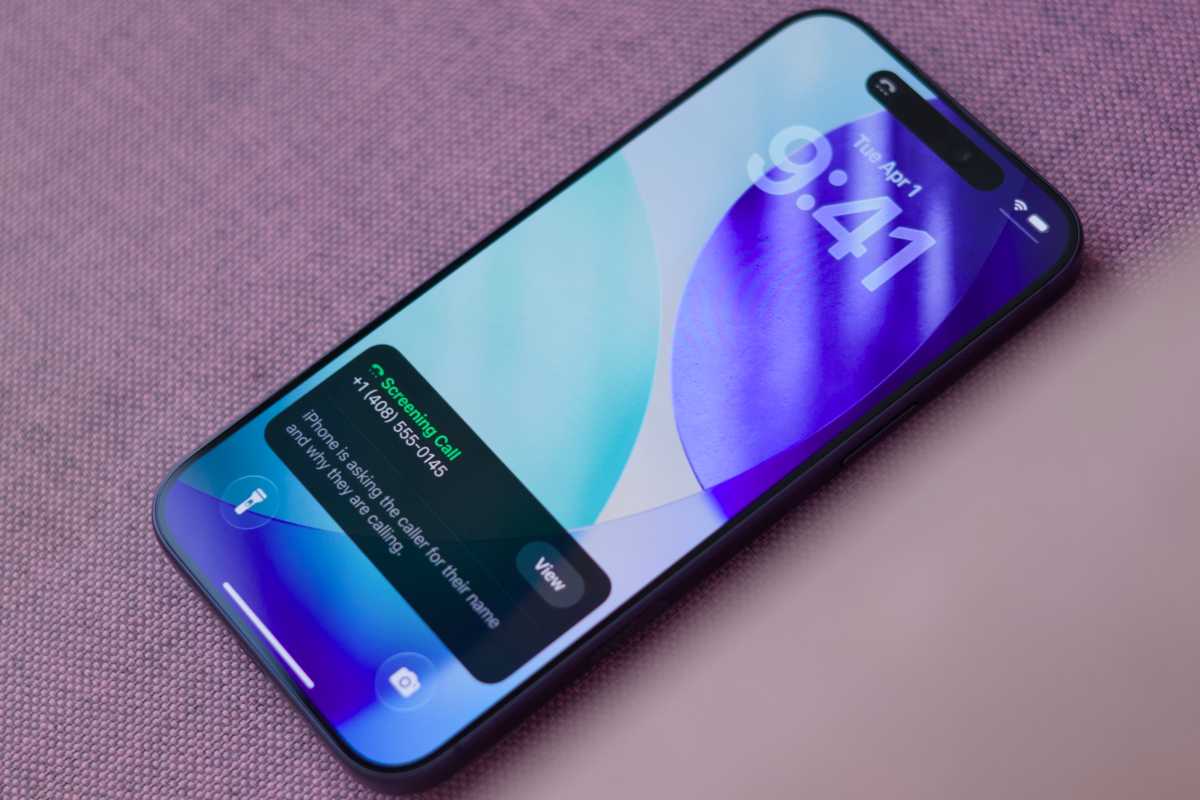
You can enable similar filters for incoming calls in Settings > Applications > Phone. In the Unknown Caller Screen section, you can choose whether unsaved numbers should be muted or automatically asked for the reason for the call using the AI on the device. The second option displays a real-time transcript so you can pick up and take the call if it turns out to be relevant. Otherwise, activating the Unknown Caller switch in the Call Filtering section will move missed calls and voicemails from unsaved numbers to a separate list.
Foundry
8. Third Party Solutions
Although call management tools on iOS have become reliable, you can still opt for third-party apps for additional features. For example, TrueCaller can alert you to known spam/scam numbers and look up the likely name of the person calling you.
9. Mail filters
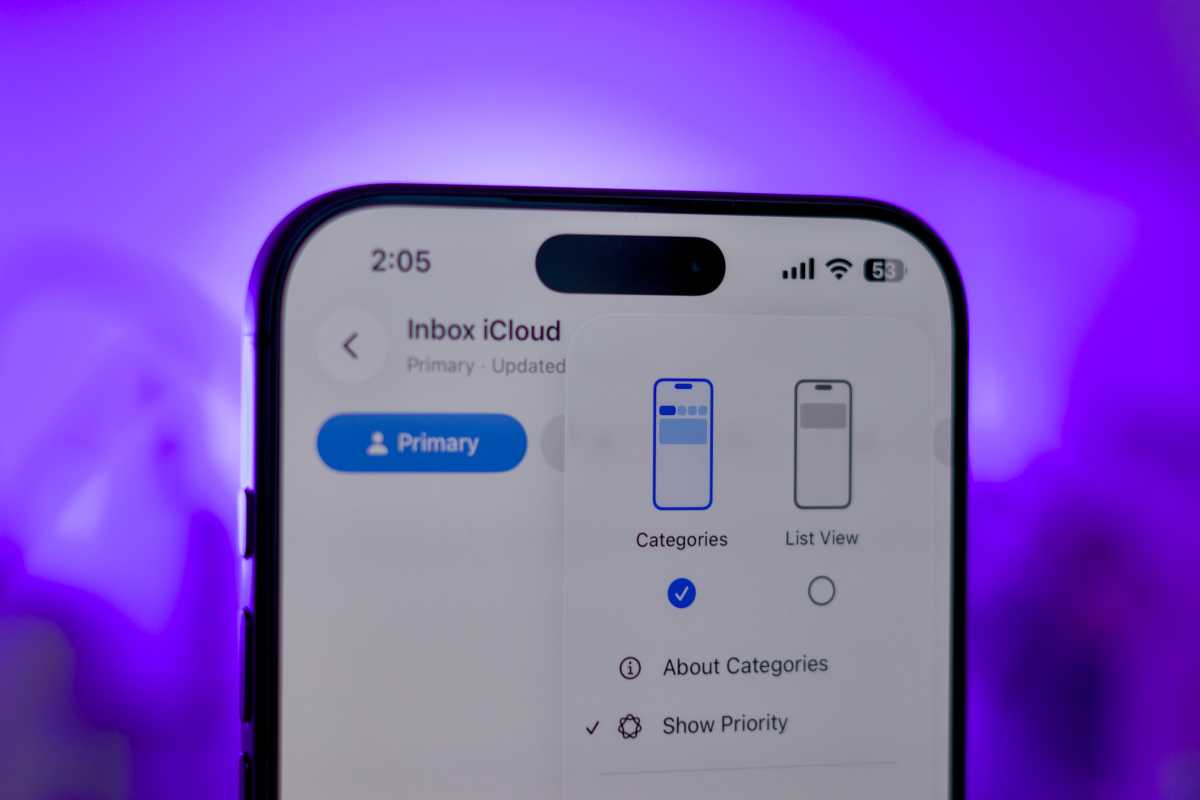
Like Messages and Phone, Apple’s Mail app offers automatic lists to help keep your inbox clean. You can enable the Categories toggle under the three-dot menu in your inbox to see five main lists – Primary, Transactions, Updates, Promotions, and All Messages. Mail scans each incoming email and places it in the appropriate list, reserving the primary list for important messages.
Foundry
10. Calendars
Finally, many users complain that they get a lot of spam alerts from the Calendar app. This happens when you accidentally subscribe to a malicious calendar online. To fix the damage, go to the Calendars section of the Calendar app, find the person who caused the problem, and unsubscribe using the dashboard.