
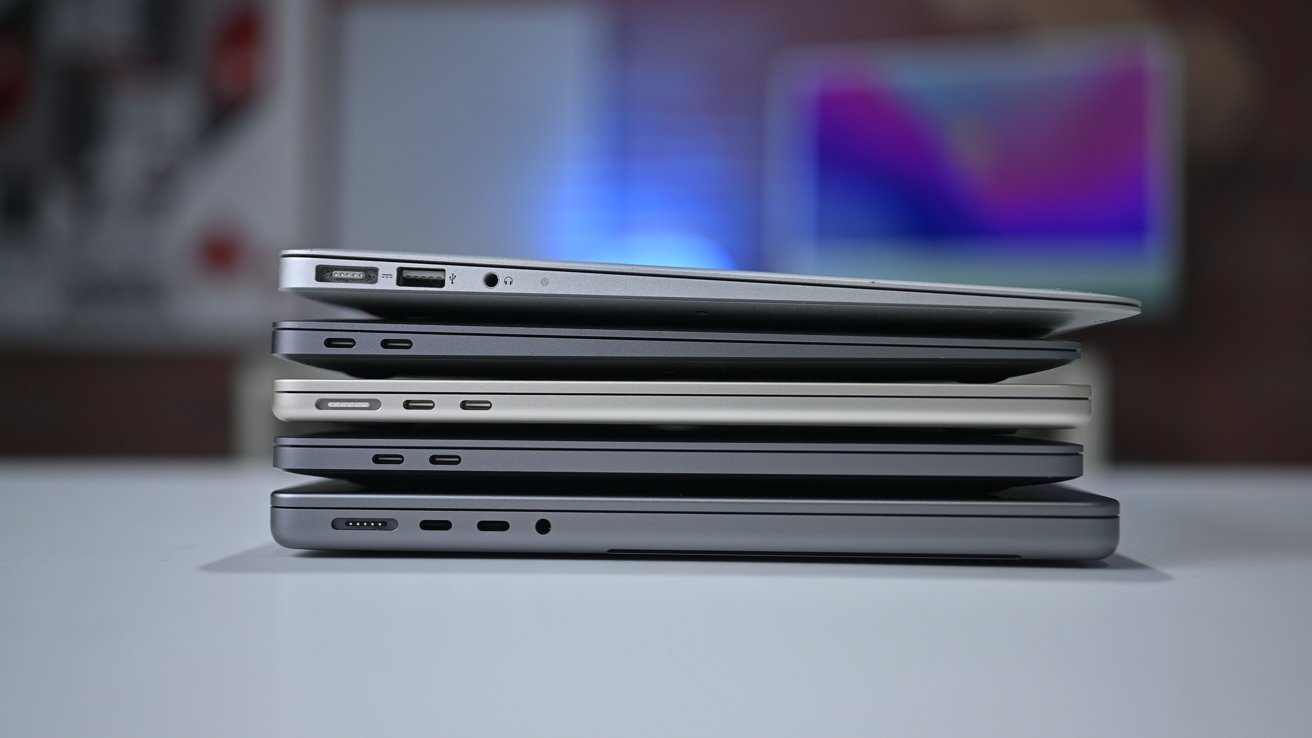
Initial estimates for Apple’s low-cost MacBook in 2023 pegged the price at around $500, but surprise component price increases since then will be an issue in 2026.
Industry forecasts project Apple’s MacBook sales to grow 1.4% quarter-on-quarter and 3.7% year-on-year in early 2026. Total MacBook shipments are expected to reach 21 million units in 2026, up from 20.55 million in 2025, a modest gain that stands out in a weakening market.
Worldwide notebook shipments are expected to decline in early 2026 due to cautious business spending and a slower consumer upgrade cycle. Apple’s expansion is happening against this backdrop, not in spite of it.
The rise of MacBooks in a shrinking PC market
Growth in a shrinking industry tends to consolidate around the strongest players. Companies with tighter integration and a clearer product strategy often perform better when margins are under pressure.
Apple has done this before, gaining Mac share during the Windows Vista era and continuing to push Apple Silicon even as the broader PC market has slowed. Meanwhile, competitors focused on cutting costs rather than investing through the downturn.
Launching a cheaper MacBook during a soft cycle is consistent with this history and reflects continuity rather than a strategic center.
Rising memory and battery costs put pressure on 2026 MacBook prices
Memory prices have risen sharply over the past year Digitimessqueezing margins throughout the PC industry. Suppliers prioritized domestic demand in some regions and reached capacity in key segments, limiting relief from additional production.
Worldwide notebook shipments are expected to decline in early 2026
Battery costs are also rising, with international cobalt prices soaring following export restrictions from the Democratic Republic of Congo. Battery module prices increased by around 10% to 15% in February 2026 alone, adding pressure to the entire industry.
Apple CEO Tim Cook said during the earnings call that cost pressures will be limited in the first quarter of 2026 but will be more pronounced in the second quarter. Every PC vendor faces these pressures, but not all have the same scope to absorb them.
How Apple Silicon and Vertical Integration Give Apple an Advantage
Most Windows PC manufacturers depend on third-party CPU and GPU vendors and compete primarily on price and configuration. As commodity component costs rise, profit margins narrow rapidly.
Apple designs its own processors and controls the hardware and software stack across macOS. It spreads the cost of silicon development across Macs, iPads and other products, giving it flexibility in how chips are binned and how the assembly is structured.
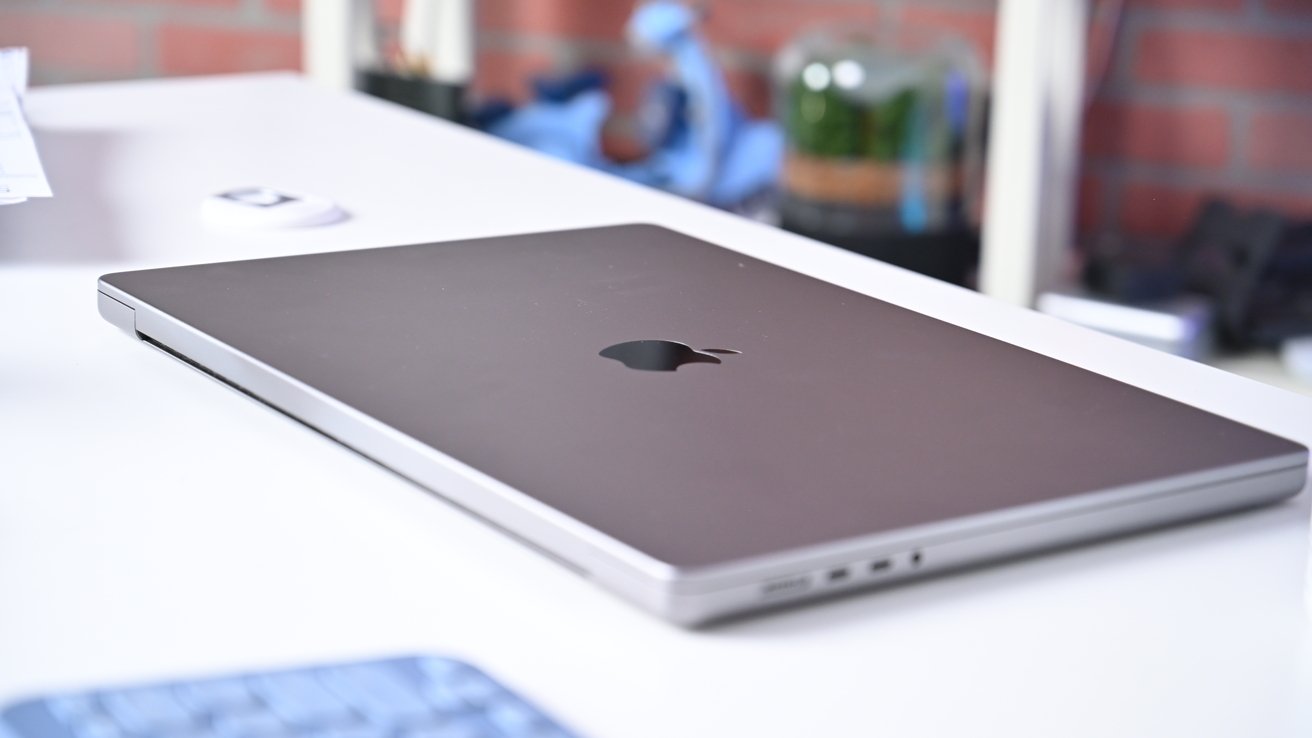
A cheaper MacBook built on Apple Silicon can maintain high performance
The company does not control the global memory or cobalt markets, but it does influence them through how it manages its silicon roadmap, industrial design trade-offs and pricing architecture. Such integration gives it options that competitors often don’t have.
Why Apple Expands MacBook Share Amid PC Decline
A cheaper MacBook built on Apple Silicon can maintain high performance and battery life, even if certain specifications are tweaked to drive costs.
Softer PC markets create opportunities for companies willing to think beyond the next quarter. As global supplies decline and competitors cut back on marketing or delay renewal cycles, stronger suppliers can expand their reach.
A cheaper MacBook gives Apple a way to expand fresh into education after losing its lead there, as well as more price-sensitive segments, without diluting the Mac’s premium identity. Financing programs, counter offers, bids and ecosystem lock-ins lower the barrier for buyers considering the switch.