
Apple is accelerating development of AI smart glasses designed to pair with the iPhone, with production targeted for late 2026 and a potential launch in 2027.
Apple’s new wearable, codenamed N50, is a premium device with Siri and advanced computer vision. It’s the company’s alternative to the Apple Vision Pro, aiming to avoid the bulk and high cost that hindered the Apple Vision Pro’s popularity.
Additionally, it shows Apple’s effort to extend Apple Intelligence beyond the iPhone to always-on hardware.
Apple’s new glasses will reportedly not have a display, indicating that the company is focusing more on audio interaction and contextual awareness than augmented reality overlays. Instead, Apple will use speakers, microphones and cameras built right into the frame for interaction.
Users could make calls, access Siri, take photos and videos, and get help based on what they’re looking at. Apple plans to differentiate the product through higher-end materials and improved camera systems.
Design by Bloombergit positions the glasses as an AI companion rather than a head-mounted screen.
Dual cameras and contextual computing
The glasses are expected to feature two camera systems, including a high-resolution sensor for images and a second sensor designed for computer vision. A secondary system would help the device interpret its surroundings and measure the distance between objects.
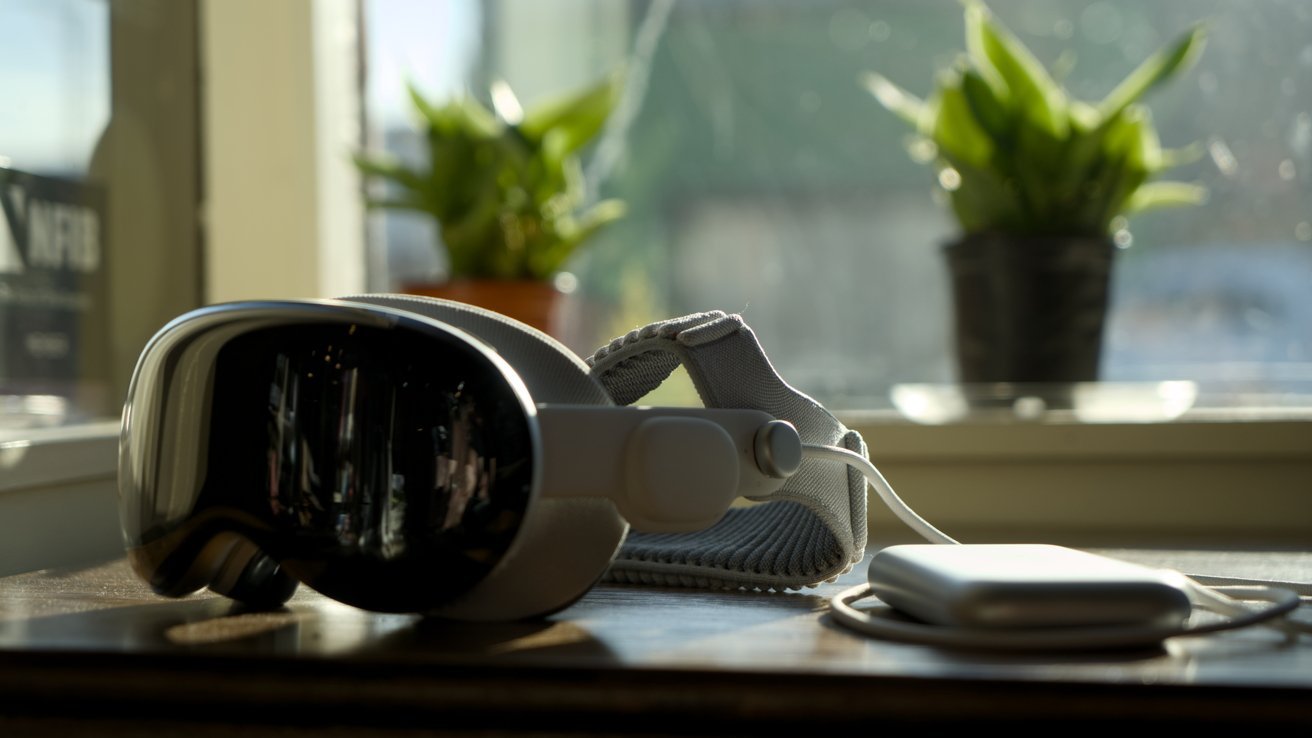
Early prototypes reportedly relied on a cable connected to a separate battery and iPhone.
Apple’s goal is to create an all-day wearable capable of understanding what the user sees in real time. Potential uses include identifying objects, reading printed text and converting it to digital data, and creating contextual reminders tied to physical location.
Siri could guide you with real-world landmarks instead of generic map prompts. You would drive past the described buildings or vehicles before turning.
Early prototypes reportedly relied on a cable connected to a separate battery and iPhone. Newer versions integrate components directly into the frame, reducing reliance on external hardware.
Engineers initially experimented with inserting electronics into the frames of established eyeglass brands. Apple has since moved on to designing its own bezels in a variety of sizes and colors using higher-end materials.
Apple is aiming to start production as early as December 2026, which would support a public launch in 2027 if development stays on schedule.