

Facade of CNMC headquarters in Barcelona. Image credit: Grupo Castellvi
Spanish antitrust authorities believe Apple and Google took too long to comply with the orders despite pending appeals, opening the door to millions more in fines.
Spain’s National Markets and Competition Commission (CNMC) said Apple and Amazon did not remove the disputed contractual provisions until May 2025, nearly two years after regulators ordered them removed. The finding opens the door to more sanctions if upheld.
The original $194.1 million fine imposed in July 2023 remains subject to appeal. The Spanish Supreme Court has suspended the execution of the decision while it reviews the case.
Spain says Apple and Amazon have delayed compliance with antitrust rules
The latest CNMC action does not introduce a new theory of competition. Instead, regulators are looking into whether Apple and Amazon complied quickly enough with a 2023 order requiring them to modify their marketplace agreement.
Regulators ordered the clauses to be removed immediately after the fine. Apple and Amazon have appealed the decision, and while the fine has been suspended, the regulator now claims that contractual changes were not implemented quickly enough.
At the center of the dispute is an October 2018 distribution agreement that governs how Apple products are sold on Amazon’s Spanish marketplace. Under this agreement, Amazon became an authorized seller of Apple products in Spain, and the number of third-party sellers allowed to list new Apple devices on Amazon Spain was significantly reduced.
Prior to the deal, several independent resellers offered Apple hardware through Amazon’s platform, often sourcing their inventory from other European markets. After the agreement went into effect, only Apple-approved resellers could offer new Apple products, giving the company tighter control over distribution in the dominant online market.
In 2023, the CNMC concluded that the restrictions reduced price competition by limiting the number of sellers offering the same Apple products. Regulators also said the ad was curbing the reduced visibility of competing brands on Amazon Spain.
The agency imposed a combined fine of $194.1 million, allocating $143.6 million to Apple and $50.5 million to Amazon. He also ordered that the clauses be removed.
According to the CNMC, the companies did not fully remove these provisions until May 2025. The new proceedings focus on whether this delay constitutes non-compliance with the 2023 decision.
Apple said it respects the regulator but disagrees with its assessment. The company says it followed authorities’ guidelines in working to protect customers from counterfeit products.
Amazon also said it would challenge the finding. It also disputes claims that its marketplace model was used to unfairly exclude sellers.
How Spain’s Apple-Amazon Antitrust Dispute Began
The dispute between Apple, Amazon and the Spanish Competition Authority dates back several years.
In July 2021, the CNMC opened a formal investigation into the 2018 deal. Regulators investigated whether Apple and Amazon coordinated to limit competition in online sales of Apple devices by restricting third-party sellers and creating advertising for competing brands on Amazon Spain.
At the center of the dispute is the distribution agreement of October 2018
The Spanish theory focused on checks on vertical distribution. Apple uses authorized reseller programs to manage product availability, limit gray market imports, combat counterfeit goods, and maintain consistency in pricing and warranty standards.
Regulators argued that narrowing the pool of sellers on a major online marketplace reduced intra-brand competition. Fewer sellers meant less opportunity for price competition on the same Apple products.
Regulators also said advertising restrictions in the deal limit the visibility of rival electronics brands on Amazon Spain. They argued that reduced visibility could weaken competition between different brands.
In July 2023, following its investigation, the CNMC imposed a combined fine of $194.1 million and ordered the companies to immediately remove the illegal clauses. Apple and Amazon appealed the decision to Spain’s highest court.
In early 2024, the Spanish Supreme Court suspended the enforcement of the fines while it reviews the appeal. The fine was not collected and the underlying violation is not final.
The CNMC’s latest action will not resolve the appeal. Regulators say Apple and Amazon were still required to quickly amend their contracts after the 2023 ruling, even with a suspended fine.
The CNMC now claims the changes were not completed by May 2025, prompting a separate compliance proceeding.
Why Spain’s Antitrust Case Matters to Apple
Financially, even a nine-figure fine is not significant for Apple’s balance sheet. The most significant issue is the ongoing regulatory stance.
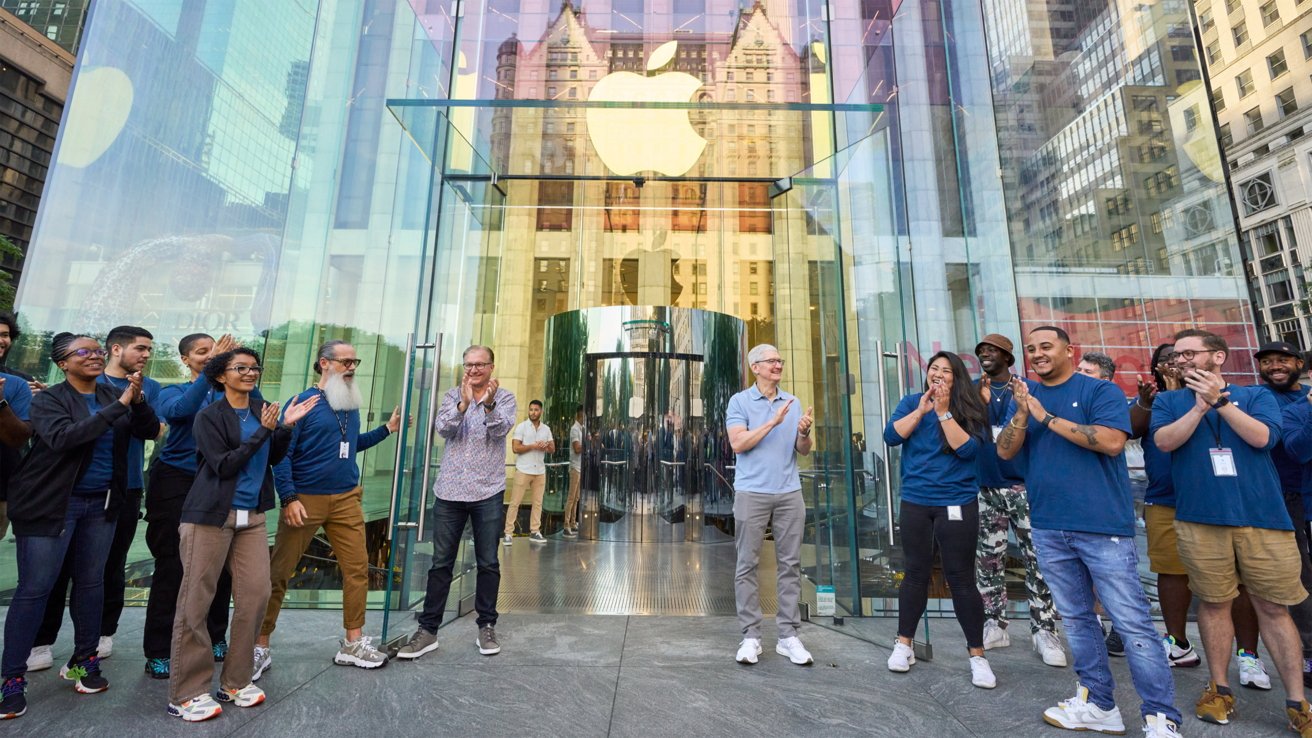
Regulators say Apple and Amazon were still required to quickly adjust their contracts after the 2023 ruling
The Spanish case fits into a broader European pattern of votes on control of Apple’s ecosystem, including App Store rules and distribution agreements. European regulators have taken a tougher view of measures that centralize market control, especially when a big brand is a partner of a dominant platform.
CNMC’s emphasis on compliance timing signals a tougher enforcement edge. Regulators suggest that how quickly companies implement mandated changes may matter as much as the underlying behavior itself.
Apple carefully manages its retail channels to maintain brand exposure, pricing discipline and product authenticity. Europe remains the jurisdiction most willing to challenge this model.
Even if the financial risk is limited, repeated enforcement actions can affect the structure of contracts and the speed at which operational changes can be made.
What happens next in the antitrust case of Spanish companies Apple and Amazon
Spain’s Supreme Court will decide whether the 2023 antitrust ruling applies and whether Apple and Amazon must ultimately pay a $194.1 million fine. Separately, CNMC’s proceedings could lead to further sanctions if regulators conclude that the companies did not act promptly after the 2023 order.
The case does not introduce a new theory of competition. Regulators are testing how aggressively European authorities will police market behavior and how strictly they will enforce compliance once changes are mandated.
The financial exposure to Apple, Amazon and the rest of America’s Big Tech may be manageable in the short term. However, regulatory friction in Europe continues to grow.