

Summary created by Smart Answers AI
In summary:
- Macworld analyzes Apple’s rumored iPhone Fold, which is expected to have a book-style design with a 5.5-inch external display and an 8-inch internal display for $2,000 and up.
- The device can run iPadOS on the internal screen, creating an iPhone/iPad hybrid with Apple Pencil and keyboard support.
- Success depends on unique software capabilities that can’t be folded because current iOS isn’t optimized for wider screens and the novelty factor alone won’t sustain long-term sales.
Flip phones are everywhere. There are enough of them that our friends at TechAdvisor have been maintaining the best foldable phone guide for several years now. Samsung even just came out with a triple-fold phone, in a very “we made a razor with even more edge” way.
And while foldable phones have improved quite a bit over the past few years and are reasonably popular for the high price tag they command ($1,500 or more for the best models), expectations for Apple’s long-awaited foldable iPhone are much higher. Apple has shied away from making a foldable iPhone for years, even though the issues with screen creases and shaky hinges are more or less resolved. A foldable iPhone will have to be more than just “it’s an iPhone, but it folds.” It has to let you do things you can’t do with a non-foldable iPhone.
Go your own way
A number of leaks have given us a decent picture of what the iPhone Fold will look like: A book-style foldable iPhone that’s a bit chunkier and wider than its contemporaries in the Android space, with an outer display around 5.5 inches and an inner unfolded display of just under 8 inches.
The back will have two cameras, arranged in a horizontal “plateau”, similar to the iPhone Air. It will have Touch ID in the power button, not Face ID, and volume buttons along the top edge. Most of the left side of the device is taken up by the display and battery, giving it the largest battery capacity of any iPhone yet (rumors say north of 5,000mAh).
Subsyxx/Reddit
But it’s all just hardware. Of course it matters, but it doesn’t give you a reason to spend twice as much on a foldable iPhone. People aren’t clamoring for a wider iPhone that costs $2,000 or more.
The real reason to buy the iPhone Fold will have to be the software, and that’s the part of the picture we just don’t have any real information about.
What could you do with a foldable iPhone?
Obviously, foldable phones allow for good “lean back on the couch and consume content” experiences. When unfolded, two-handed operation and a larger display allow for better web browsing and video viewing. But sleek design and “bigger on the inside” are unlikely to ensure the success of the foldable iPhone. The iPhone Air emphasized design at a high price, and by all accounts it was No do well If Apple wants the Fold to be successful, it will need to add significant features to iOS.
iOS just isn’t built for a screen that’s wider than it is tall. The external display can look and function more or less like your iPhone (but with these dimensions, many apps will need interface updates). But what happens when you launch an app on the internal display? Is it just a wider version? Will Apple let you run two apps side by side in split screen? It seems obvious that this would be a capability, but then again, that’s what every foldable Android can do, and it’s not something everyone’s rushing to drop two grand on a phone for.
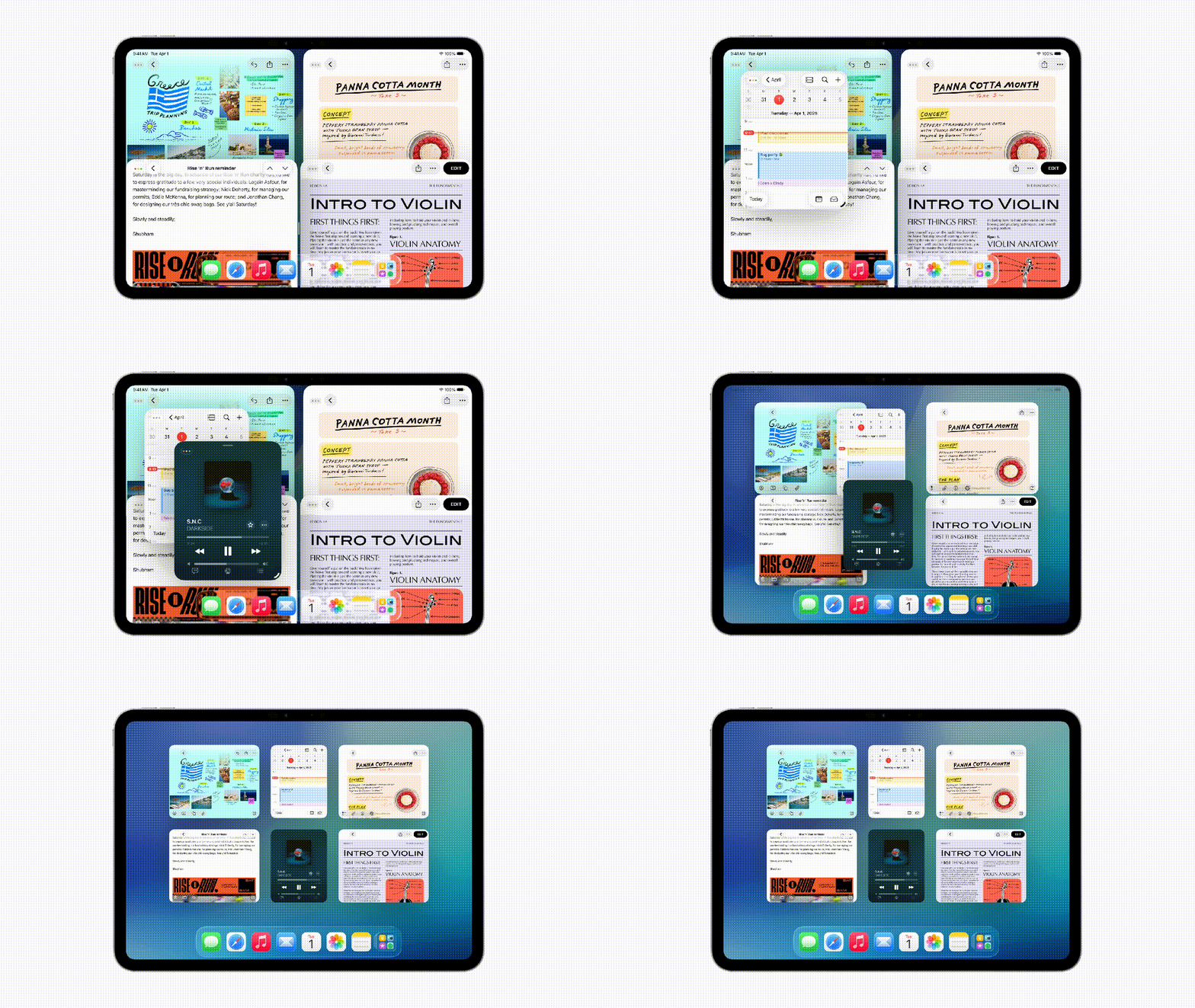
iPadOS 26 is a start, but the foldable iPhone has to take it even further.
Apple
Since iPadOS is already “iOS with extra-large screen features,” perhaps the foldable iPhone will actually run iPadOS? On the outside screen, apps would run in full-screen view like an iPhone, but inside you’d get a dock, multitasking, keyboard and mouse/trackpad support, and all the other goodies added in iPadOS 26. Add Apple Pencil support and the iPhone Fold could actually be an “iPhone/iPad hybrid” that starts to make a lot more sense. After all, the iPad mini has a screen size of 8.3 inches, just half an inch larger than the reported size of the iPhone Fold unfolded. They even seem to have similar aspect ratios.
Maybe you wouldn’t pay $2,000 for an iPhone that folds out for a bigger display, but would you pay that much for an iPad mini that folds up and fits in your pocket?
But I still expect more than that. For starters, any foldable phone has to deal with an everyday use case: “I have something open on the outer screen, and then I unfold the phone to use the inner screen.” What happens to this application – how it behaves during this transition – is an area ripe for innovation. It’s easy to simply display that application on one half of the internal screen, or perhaps provide the option to open such applications across the entire internal display. I hope that Apple thinks a little more deeply about this and surprises us with something pleasant.
Accessories are another opportunity to do something special. The bushings would have to be specially designed to work around the hinge. Maybe they can do other things, like provide a folding stand for watching videos or working with a keyboard and trackpad? Maybe the phone is too thin to connect the Apple Pencil for charging, but can the case provide the required stability?
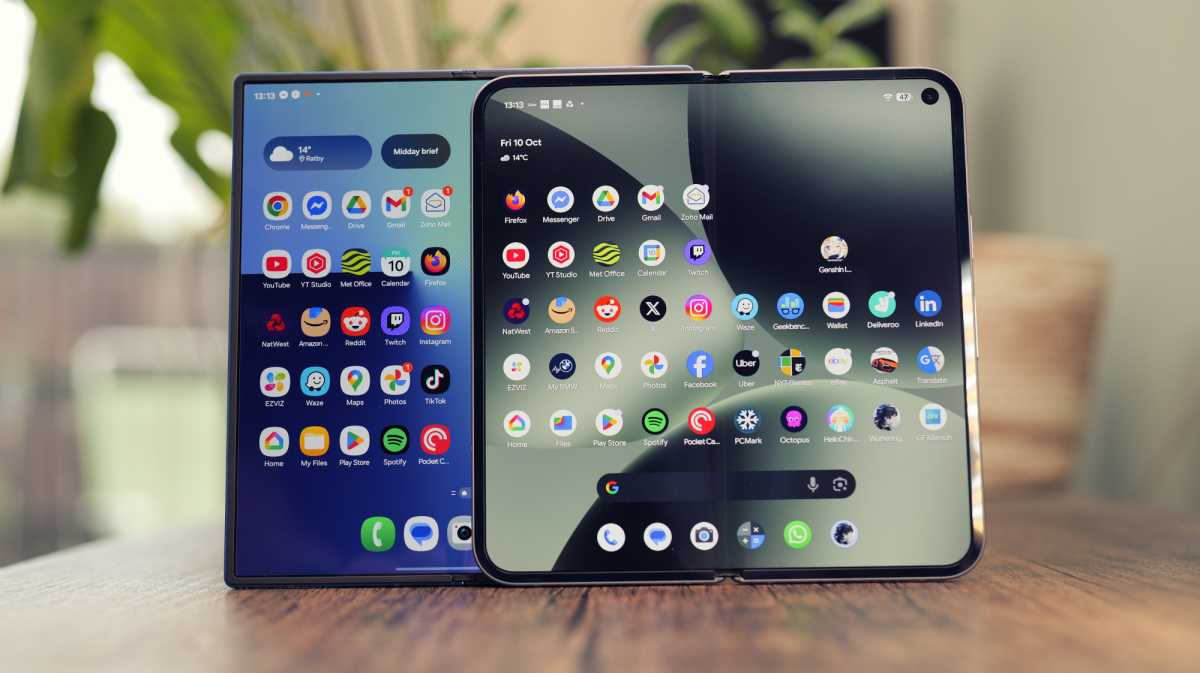
The iPhone Fold has to do more than other foldable phones on the market.
Luke Baker
More than just a foldable iPhone
The iPhone is such a popular brand that Apple could certainly sell a number of them if it were nothing more than an iPhone on the outside and a bigger iPhone on the inside. Even at a rumored price of over $2,000, this would be the first foldable iPhone with a luxurious design and great marketing, making it a must-have aspirational holiday gadget.
But over time, selling an iPhone that costs twice as much as the iPhone Pro will have to come with more than just a wonder factor. The “wow factor” of foldable phones has been in the rearview mirror for a few years, and the news that it’s Apple’s first is sure to be short-lived. In order for Apple to continue selling foldable iPhones month after month, year after year, it will have to to do something which no other iPhone can do except when folded in half.