
Patent troll Optis has been told by a US jury that Apple has not infringed on any of its LTE patents, ending a long-running dispute in the US pending further appeals.
The latest jury trial took place after the US Court of Appeals issued a verdict requiring Apple to pay $300 million in damages to Optis. The case was then sent to trial by jury where the jury members were asked a single question regarding the five patents.
According to a report from Reutersthe jury voted unanimously. The question was, “Has Optis established by a preponderance of the evidence that Apple infringed at least one claim of each of the following patents?”
The judges were given a check box for each patent, in which they all filled in a resounding “no”.
Apple shared a statement with Reuterswhile the Optis does not.
“We thank the jury for their time and are pleased that they rejected Optis’ false claims,” an Apple spokesperson said. “Optis doesn’t make any products and its only business is to sue companies, which Apple has repeatedly done in an attempt to get an excessive payout.”
Optis will most likely appeal.
Optis vs Apple: how we got here
In this legal battle over alleged patent infringement, Optis is attempting to sue Apple in separate cases in both the US and the UK. It started with the American one in February 2019, when Optis sued Apple over seven patents, all of which related to LTE standards.
Optis claimed at the time that until 2017 it had discussed licensing patents on FRAND (fair, reasonable and non-discriminatory) terms.
However, Optis makes no products and appears to be the definition of a patent troll – a company that generates revenue only through patent licenses and lawsuits like this one.
It can be a profitable area of business, although in August 2020 Optis won its case. A federal jury in Texas has ordered Apple to pay $506.2 million in royalties for past sales of infringing devices.
Apple is often the target of patent trolls
Apple inevitably appealed, but it had specific reasons for doing so. In March 2021, she claimed the decision was flawed because of how the jury was briefed. The court combined “nine claims of Optis’ five patents into one issue,” and therefore “it is impossible to determine” which of the claims the jury agreed with.
“(When) a verdict is tainted by this kind of uncertainty, the general verdict rule requires that the verdict be reversed and a new trial conducted,” Apple said.
Apple was supposed to get its second trial, but while that was being decided, Optis pushed for more than $506 million in damages. At the end of March 2021, Optis asked the court to award it $44.22 for every iPhone sold in the future, $3.62 for every iPad and $2.25 for every Apple Watch.
“The case law and facts strongly support continued royalties at a rate higher than the rate awarded by the jury on a patent-unit basis,” PanOptis said in a court filing. “However, the plaintiffs seek an ongoing rate only at the per-patent, per-unit level awarded by the jury, with no increase.”
Apple has a new process
Optis has yet to receive royalties for the device and the courts agreed that there were “serious doubts” about the first trial. In April 2021, Judge Giltrap granted Apple a second trial.
But the judge limited it to the question of damages. The trial was not intended to overturn the verdict of Apple’s guilt, but only what the company had to pay as a result.
However, in August 2021, a second court concluded that the original damages were too high. But they were reduced to only $300 million.
“We thank the jury for their time, but we are disappointed with the verdict and plan to appeal,” Apple said in a statement at the time. “Optis doesn’t make any products and its only business is to sue companies using the patents it accumulates.”
“We will continue to resist their attempts to obtain unreasonable payments for the patents they obtain,” the company continued.
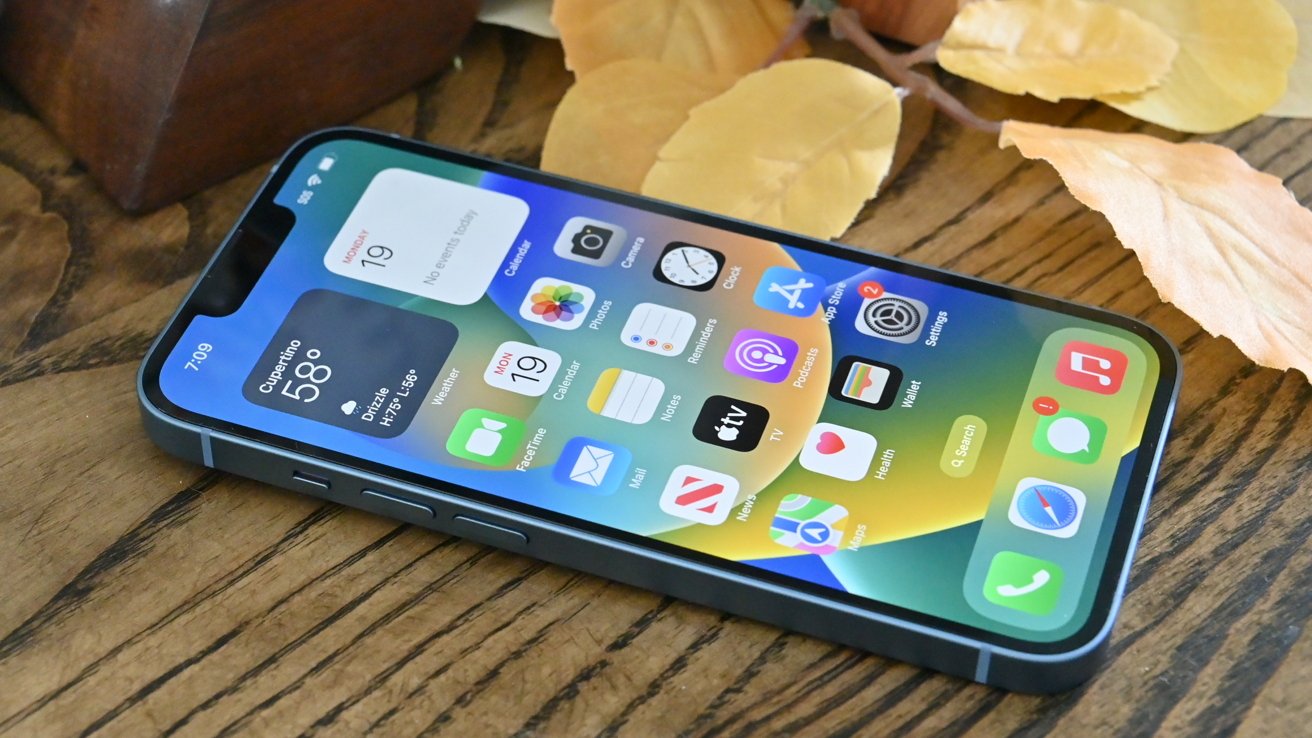
These trials last so long that several new iPhone models are released
Around this point, Optis also had success in the UK, where it was trying to get $7 billion in damages and a global royalty rate. Apple has threatened to pull out of the UK market if it is forced to pay a “commercially unacceptable fee”.
Although it threatened to for the UK case, of course it continued to appeal against the US case.
This time, Apple argued that there were several problems with the evidence and testimony, as well as the original jury instructions. Apple argued that it was entitled to a third lawsuit because of all of this.
However, in May 2022, Judge Gilstrap denied the request for a new trial or new verdict.
Meanwhile in the UK
Shortly before that, a UK case saw another victory for Optis in March 2022. The London High Court ruled that two 4G patents owned by Optis were so-called Standard Essential Patents (SEPs) and that Apple had infringed them.
Apple argued that these patents were not necessary and that it had not infringed them anyway. However, in July 2023, her appeal against the sentence was rejected.
But instead of the billions that Optis is seeking, British judge Marcus Smith awarded only $56.43 million (plus interest). This time it was Optis who appealed and in May 2025 the UK Court of Appeal agreed.
According to the ruling, Apple must pay $502 million for the use of 4G patents in iPhones and other devices. It is a lump sum covering the years 2013 to 2027 and represents a global license to use the Optis patents.
“(We are) pleased that the UK Court of Appeal recognized and corrected the clearly erroneous previous decision,” said an Optis spokesman. AppleInsider“and made significant progress toward confirming the true value of our patents for Apple devices.”
The UK is expected to make a decision based on the outcome of the US case in June, where Apple will appeal. Given the ruling in favor of Apple, it could turn out well for them.