
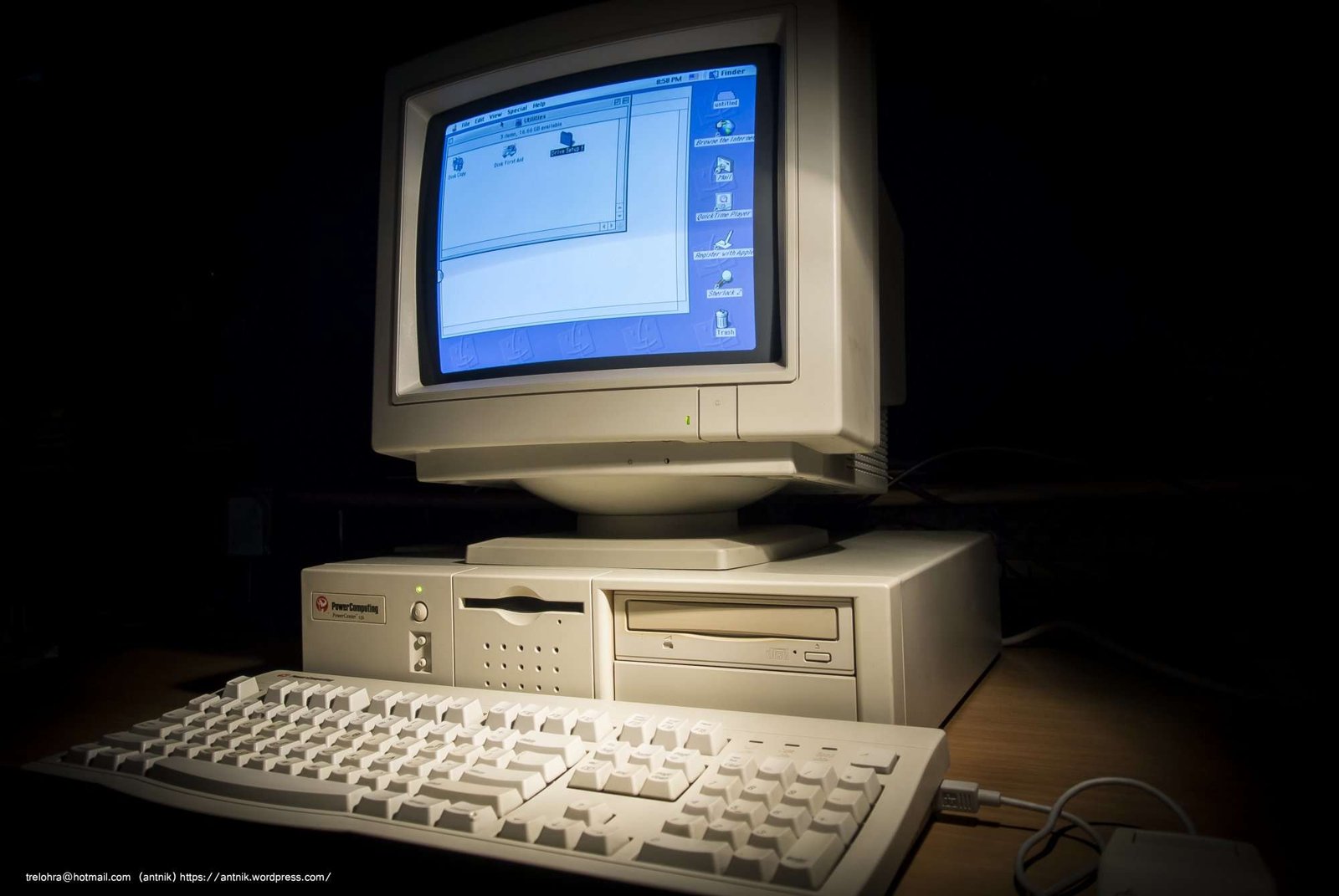
January 31, 1998: Mac clone maker Power Computing is shutting down as it has auctioned off its office supplies and computers.
Apple had bought Power Computing, once the fastest-growing PC company of the decade, the previous year. As a result, Power Computing shareholders receive Apple shares as compensation. As it turns out, it didn’t have to be so bad.
Power Computing and the first Mac clones
Texas-based Power Computing, founded in November 1993, decided to sell Mac clones by mail order. Power Computing founder Stephen Kahng correctly assumed that Dell’s mail-order computer business had proven itself in the marketplace.
The company began negotiations with Apple in April 1994. By the end of that year, Power Computing had secured an agreement with Cupertino. Apple was initially skeptical about working with the startup. But Apple saw Power Computing as the only viable option—and issued a license. Later, another Mac clone maker, Radius, got into the game.
You can chalk it up to the Windows 95 scare if you want, but 1994 was the year Apple got serious about licensing its technology. Similar ideas have previously been floated by high-ranking people at Apple, including CEO John Sculley. But they were told to pull the trigger on licensing the Mac operating system to other computer manufacturers.
In 1994, Apple was ready to roll the dice—as can be seen in its willingness to sign a deal with Bandai, Japan’s largest toy maker, for a game console that would run Mac OS.
Power Computing released several Macintosh clones. My main memory is that machines like the PowerTower and PowerTower Pro from 1997 were incredibly fast at the time. They certainly weren’t B-class computers by any means. (Readers who remember using them can share their memories below.)
The fall of Power Computing and the end of Mac cloning
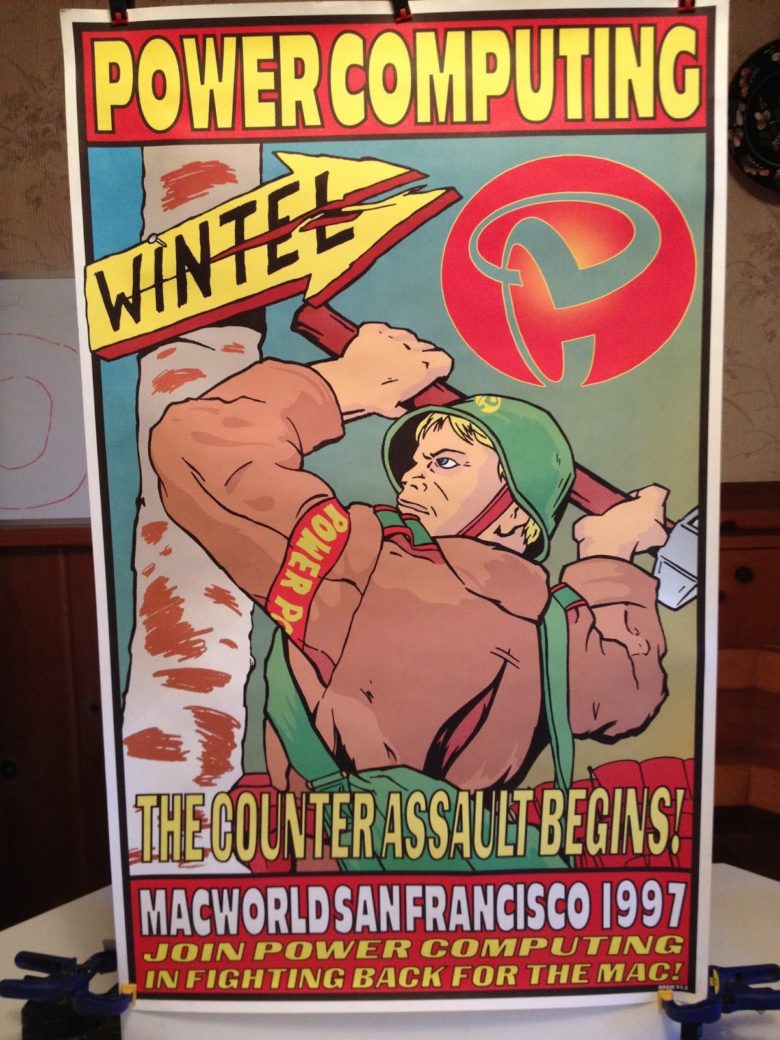
Photo: Kootenaymac
Eventually, Apple began to realize the error of its ways with regard to Mac clones. The goal was to increase Mac market penetration. Instead, rather than more Macs on the market, it just meant cheaper Mac-compatible computers.
Apple CFO Fred Anderson discovered that the licensing strategy was actually costing Cupertino money. The $50 fee Apple received for each Mac clone sold didn’t come close to making up for lost revenue from people buying third-party Macs instead of the more expensive official ones.
Finally, the return of Apple co-founder Steve Jobs to the company in 1997 sounded the death knell for the Mac clone program. Jobs, who never liked the idea of licensing technology to “smaller” manufacturers, wanted to abandon this strategy.
Apple’s sneaky strategy with Mac OS 8
On August 5, 1997, Apple reached an impasse with Power Computing. Apple used a clever bit of legal jiujitsu by introducing Mac OS 8 and then claiming that the third-party license agreement did not extend beyond System 7.
As a result, on September 2, Apple agreed to acquire Power Computing’s customer list and Mac OS license for $100 million in AAPL stock and $10 million to cover all outstanding debt and expenses.
“Power Computing pioneered direct marketing and sales in the Macintosh market and successfully built a $400 (million) business,” Jobs said, as quoted in the excellent (though now outdated) Owen Linzmayer. Apple Confidential 2.0. “We look forward to learning from their experience and welcoming their customers back to the Apple family.”
A new way to sell Macs
You can debate how much Power Computing actually influenced Apple’s later work. But the Dell-style focus on selling mail-order Macs directly to customers was an important step in Apple’s revival.
At the time of the closure of the clone maker The New York Times noted that Power Computing’s annual revenue was heading toward $700 million. The company “just agreed to purchase 150 acres in nearby Georgetown for a new headquarters building for $28 million.” Construction on this new Texas headquarters stopped shortly after it began.
Remember Power Computing? Leave your comments below.
