
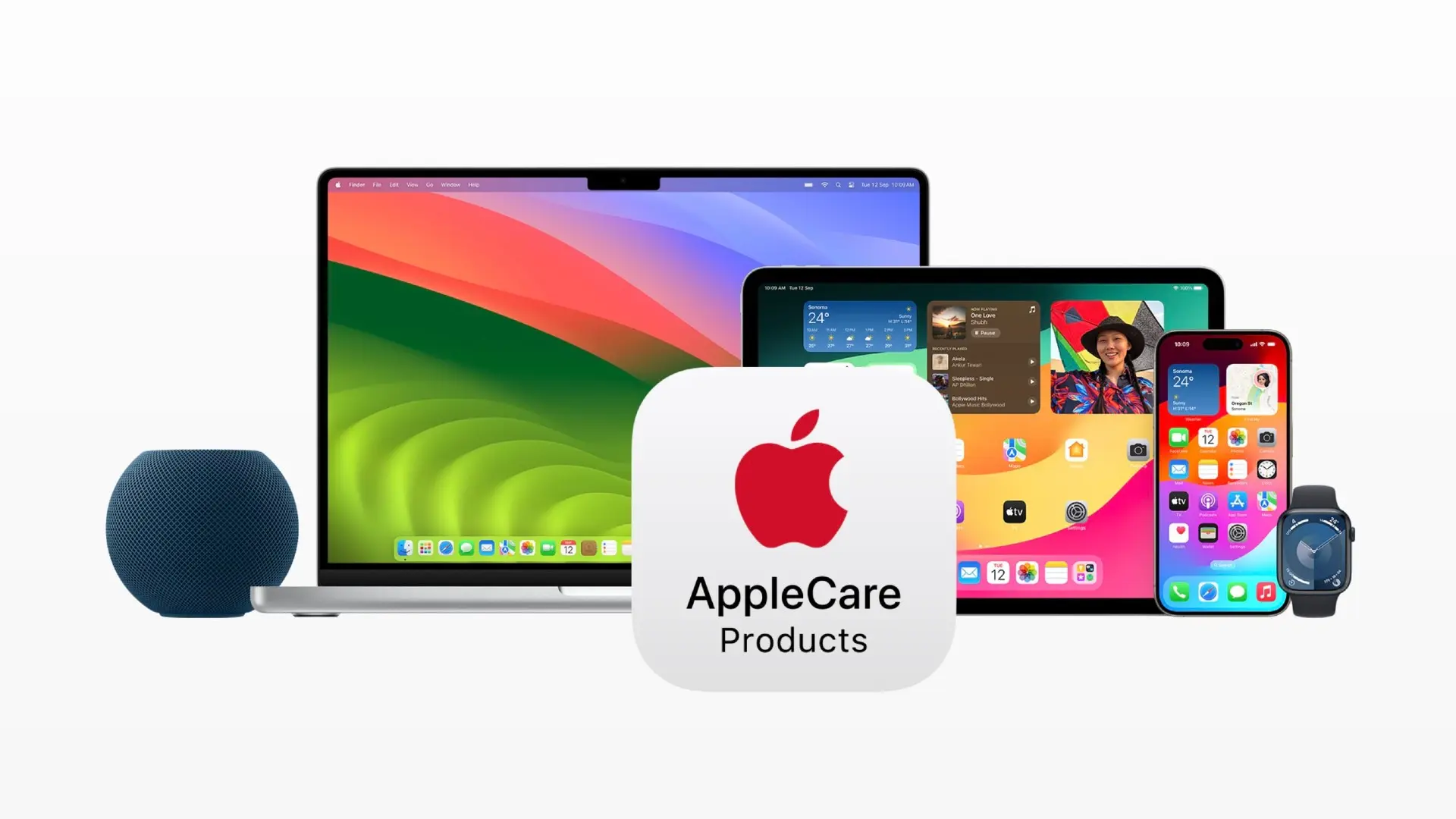
AppleCare+ has become almost synonymous with owning an Apple device. But as the extended warranty program enters 2026 with new pricing and features, it’s worth asking: Do you really need it?
According to a recent discussion on social media among iPhone users and insights from Apple’s coverage options, the answer depends largely on which devices you own and how you use them.
Who needs AppleCare+ in 2026?
The question of whether to opt for insurance like AppleCare+ is as old as the industry itself, if it’s a spirited discussion on Reddit. What if nothing goes wrong? Do I only need it for certain items? What if the company refuses coverage? Fortunately, Apple does not have the reputation that is more common and feared in the healthcare industry. However, AppleCare+ can certainly be a significant expense, especially if you get it for all your Apple devices.
Portable Devices Rule
The most consistent advice from Apple users is surprisingly straightforward: buy AppleCare+ for the devices you carry with you. Skip it for everything else.
“I only buy AppleCare+ on devices that are portable (phone, laptop, watch, etc.),” said one Reddit user. “I always skip it with things like HomePods, AppleTVs or iMacs/Minis because their risk is low to none.”
This approach makes intuitive sense—devices that leave your home face an exponentially higher risk of being dropped, stolen, and accidentally damaged.
Another user echoed this strategy, noting that he buys coverage for MacBooks because of their high value, especially after a family member’s unfortunate incident with an iPhone in the ocean.
“It helped a lot when my wife dropped in the ocean,” they shared.
What does AppleCare+ actually cover?
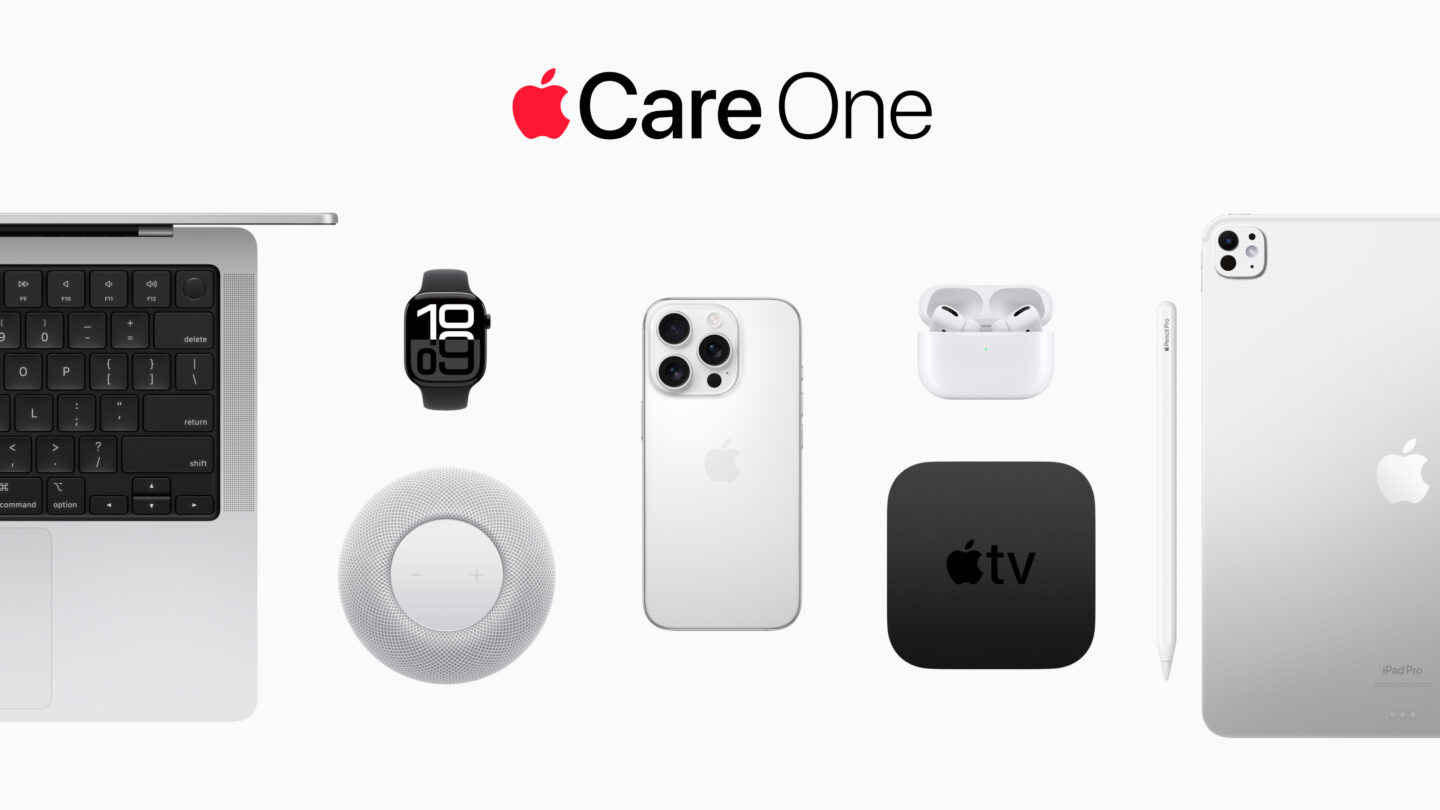
Photo: Apple
Apple’s extended warranty provides coverage beyond the standard one-year limited warranty that comes with every device. AppleCare+ extends hardware coverage to two years for most products (three years for Macs and displays). And it includes unlimited instances of accidental damage protection—though each repair comes with a deductible.
Deductibles are significantly lower than out-of-warranty repairs: damage to the iPhone’s screen or back glass costs just $29 to repair with AppleCare+, compared to up to $329 without it. Other accidental iPhone damage is charged at $99, while out-of-warranty full device repairs can cost significantly more.
For those concerned about theft or loss, AppleCare+ offers expanded coverage for iPhones, iPads and Apple Watches through the AppleCare One plan, which launched in summer 2025 and starts at $19.99 per month for three devices. This plan also allows coverage for devices up to four years old, extending the traditional 60-day purchase window.
Math problem

Photo: Apple
Several users have raised a crucial point about the economics of insurance.
“Just do the math,” advised one Redditor. “How much have you paid into AppleCare over the years and how much money has it saved you?” They noted that Apple wouldn’t offer the program if it didn’t generate more revenue than payouts — a basic tenet of insurance.
Another user said he’s been paying about $25 a month for AppleCare+ on multiple devices for ten years, but he’s only used it a few times. “I was thinking about putting the 25 bucks away every month and letting it grow,” they admitted.
One commenter with 17 years of Apple device ownership — 24 devices in total, including iPhones, iPads, Macs and accessories — said he had never purchased AppleCare+.
“Most people never have to file a lawsuit, which is why these plans are so profitable for companies,” they explained.
An alternative to self-insurance
Image AI: ChatGPT/Cult of Mac
A few savvy users have suggested creating their own “AppleCare Fund.”
Strategy: Save the cost of AppleCare+ plus your deductible in a high-interest savings account. If you need a fix, the money is there. If not, you keep it.
“Unless you break a ton on your rig, that bill will likely grow and you might even stop funding it for a while,” one user noted.
They also recommended using credit cards with built-in mobile phone insurance, which can partially cover repairs in the first two years at no extra cost.
When AppleCare+ makes the most sense
Despite the skeptics, some users swear by AppleCare+. One family of four reported using coverage for two MacBooks, one iMac, three iPhones, one HomePod and one AirPods Pro for 10 to 15 years.
“Since the first problem with my old iMac, I’ve made sure all my devices have AppleCare,” they said. And they even managed to replace the HomePod with just three weeks left on schedule.
The consensus among users who purchase AppleCare+ is clear: prefer it for expensive, portable devices. Several specifically mentioned MacBook Pros as primary coverage targets.
“I spent about $1,800 on it,” one user explained about the laptop purchase. “I haven’t used it yet, but when something happens to my MacBook, I’ll be happy to have the AC+.”
For iPhones, the number varies based on personal habits. Non-case users tend to recommend a cover, while those who use protective cases and screen protectors feel more comfortable leaving them out.
One user noted that they only keep the iPhone covered for one year: “If it breaks after a year, I’m fine, I’ll just replace it.”
Verdict

Photo: Sora Shimazaki/Pexels CC
AppleCare+ isn’t necessary for everyone, but it provides valuable peace of mind for specific use cases. It’s about the user’s risk tolerance.
Devices especially worth covering in 2026 include MacBooks (especially the Pro models), iPhones for non-handy users or those who prefer caseless use, and iPads for frequent travelers. Apple Watch requires attention if you’re active or prone to accidents.
Desktop Macs, Apple TVs, HomePods, and AirPods usually don’t justify the cost unless you have a documented bad luck with electronics.
As one user put it about insurance in general: “Insure things you can’t easily replace without a significant financial burden. Anything else, you’re just giving money away.”
A final thought? “It’s annoying until you need it,” noted one pragmatic user.
For many users in 2026, the smartest move is to selectively cover truly irreplaceable or high-risk devices — not a blanket policy for all Apple products they own.
Learn more about AppleCare+ at Apple.

David Snowan expert on Apple hardware and software, writes on a variety of technology and cultural topics for Cult of Mac. They include Apple news, tech buying guides, and features on setting up your computer and Apple TV shows and movies.
With 30 years of experience in technology and other topics, he has written and edited numerous print and online publications, including CMP media, TechTV.com, OVERHANG, Cable news, Red herring magazine, Law.com, National Law Journal and Law Technology News magazine. Among other things, he served as executive editor of the Law.com network of websites and editorial director of technology for ALM Media.
Snow graduated from Syracuse University with a bachelor’s degree in magazine journalism and psychology. While there he worked as a reporter for Daily orange newspaper and associate editor Same time magazine.
Founder of the blog On the water linecan be reached on X (formerly Twitter) via @atthewaterline and on Mastodon via @dsnow.